
Child
Autism Assessments
Well-validated diagnostic tools to ensure our assessments are up to the highest standards
We're here to help

Why choose us for your child’s assessment?

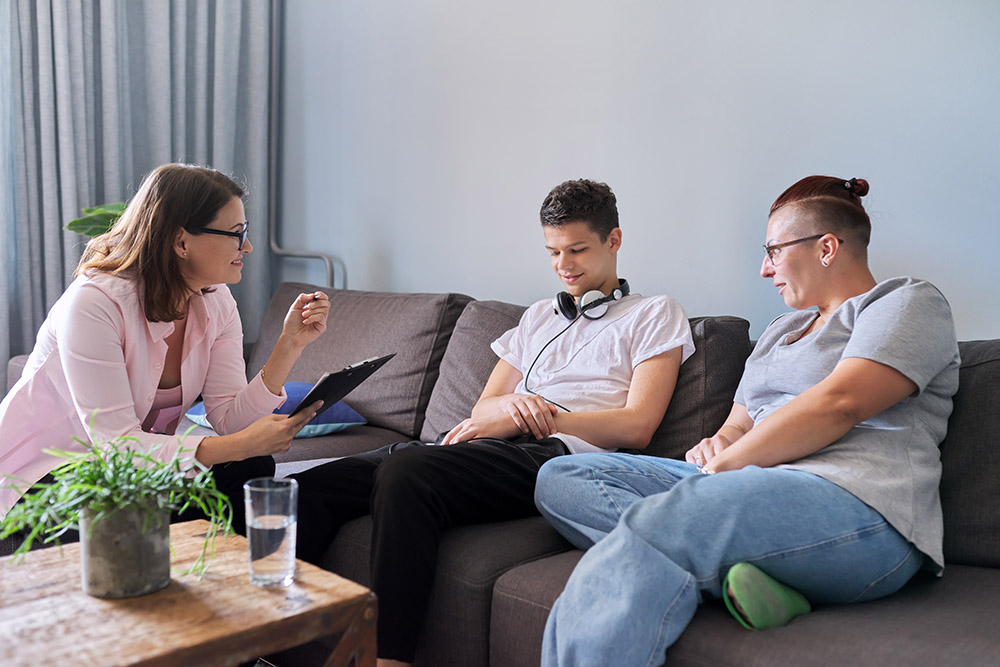
Our expert clinicians are dedicated to putting your child’s needs first. As HCPC-registered psychologists, occupational therapists and speech and language therapists all with a minimum of 5 years’ experience working with children with Autism, we’re committed to providing a comprehensive and personalised assessment that truly understands your child’s unique strengths, challenges, and needs.
By involving parents and carers in every stage of the assessment process, we aim to ensure that your voice is heard, and your child receives the tailored support they deserve.
Assessments £2095, includes £195 screening cost
Flexible payment options available. Ask one of our friendly team today.

Our Assessors
Our expert team at the Autism & ADHD Assessment Hub are dedicated to providing a comprehensive and personalised assessment that truly seeks to understand your child’s unique needs. As part of the Antser Group, we bring over two decades of experience in carrying out NICE-guideline compliant assessments for local authorities, solicitors, and private individuals and organisations. Our team of experts will work together to assess your child’s development using the ADOS-2 and ADI-R assessment tools.
The ADI-R and feedback will be completed remotely, making it convenient for you to participate from the comfort of your own space.
Our assessment is designed to be a supportive and child-centred experience. We’ll discuss all findings and present the outcome to you within clear timescales, once the assessment is complete. With our expertise and personalised approach, you can trust that you’re getting the best possible understanding of your child’s needs and the support they require to thrive.

Common Signs of Autism in Children
Social Communication Differences
- Express connection in ways that may differ from neurotypical norms.
- Processes social cues and conversations in a unique way.
- Develops speech and communication skills at their own pace.
Repetitive Behaviours and Routines
- Uses movement (e.g Hand-flapping, rocking) for self-regulation.
- Prefers routines and consistency for comfort and predictability.
- Deeply engages in specific interests with intense focus.
Sensory Processing Differences
- Highly attuned to sensory experiences (e.g. lights, sounds, textures, smells).
- Seeks or avoids specific sensory inputs based on comfort and regulation needs.

Cognitive and Emotional Traits
- Strong reaction to sensory input due to heightened awareness.
- Engages with sensory experiences in ways that provide comfort and regulation.

Interpersonal Relationships
- Connects with others in a way that feel natural and meaningful to them
- Enjoys independent play but may also seek structured social interactions.
- Approaches understanding others’ emotions in a way that differs from neurotypical expectations.

Behavioural and Developmental Patterns
- Develops skills in their own time and sequence.
- Experiences the world in a way that may lead to unique reactions to sensory input.
- May need additional time and support to adjust to new environments or routines.
Learning and Daily Life
- Prefers gradual transitions between activities or settings.
- Benefits from clear, step-by-step instructions.
- Shows exceptional abilities in specific areas, such as math, art, or music.

"I thoroughly recommend this service. After struggling with symptoms of ASD which were impacting on daily life I decided to opt for this service rather than fester on an NHS waiting list. I felt that the service was reasonably priced and worth a fast-track service. I got my diagnosis in 6 weeks."
"Being 40 yrs I was a little apprehensive at first, but they soon put my mind at rest with a very professional no pressure approach to the whole process. I finally have the answers to why I've been feeling the way I have all these years and can't thank them enough! Highly recommend"
"A very friendly team who remain professional at all times. I was made to feel comfortable and normal during the whole process."
"Throughout the process of working with Solihull Team we have been impressed. As a family as have been supported to make the right decisions for us. Going through the process has been revelatory for both us and our child. We cannot thank Claire and the team enough for the support and guidance provided."
"They took the time to really understand me and as an adult with autism they spoke to me in a way that was easy to understand but not condescending which I really thought was good. Nicola and Claire were both very kind and clear. Getting a diagnosis is scary but they really helped me along with the process. I would really recommend them to anyone who thinks they may have ASD."
"Thank you so much to the team who assessed my daughter. Highly professional and thorough service delivered with kindness. Excellent professionals with a lot of experience including unpicking masking behaviour."
"Thank you for your support in the assessments that has allowed my son to gain the clarity of a diagnosis on why his approach to life and the world around him is different to others"
"I'm so glad I contacted AAH and would urge anyone who's not sure, or considering an assessment to get in touch with them. Have an initial consultation for a small fee and get their advice, it's priceless."
"My mum found and contacted them for me after I had spent 1.5 years on the NHS waiting list. Claire and Zoe were very friendly and made me feel comfortable even during the observation exercises. Would recommend to anyone looking to get a formal diagnosis."
"My daughter is 16 and we were worried about having to wait too long for an assessment so discovering this service was wonderful and I have no doubt her diagnosis will make all the difference in the world."